

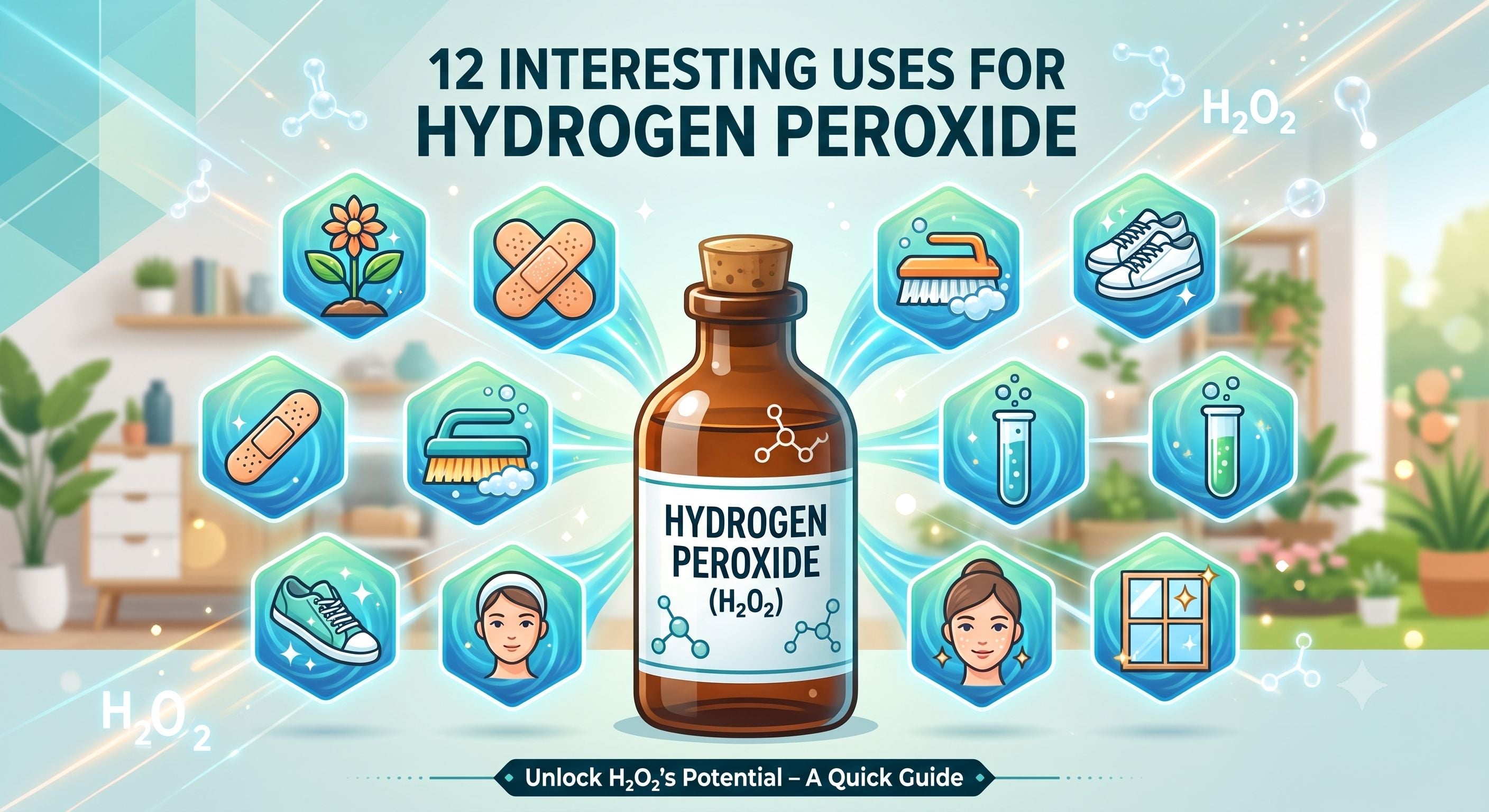
While most people reach for hydrogen peroxide only for a scraped knee, this versatile compound is actually one of the most effective and affordable cleaning agents you can keep under your sink. In 2026, as more homeowners look for non-toxic alternatives to harsh chemical cleaners and budget-friendly maintenance solutions, hydrogen peroxide has quietly become a go-to tool for everything from stain removal to deep disinfection. This guide skips the chemistry lecture and gets straight to the practical, actionable ways you can use hydrogen peroxide to keep your home clean, fresh, and ready for whatever comes next, whether that is daily living or preparing your property for potential buyers.
Table of Contents
What Exactly Is Hydrogen Peroxide? (A Quick Homeowner’s Primer)
Conclusion: A Simple, Smart Addition to Your Home Care Routine
What Exactly Is Hydrogen Peroxide? (A Quick Homeowner’s Primer)
Hydrogen peroxide is a colorless liquid with the chemical formula H2O2. Think of it as water with an extra oxygen molecule attached, and that extra oxygen is what makes it such a powerful oxidizer. When it comes into contact with organic material like dirt, blood, or bacteria, it releases that extra oxygen in the form of bubbles, which is the fizzing action you see.
For home use, you want the familiar brown bottle of 3% hydrogen peroxide found at any pharmacy or grocery store. This concentration is safe for cleaning and household applications. Industrial concentrations of 30% or higher exist, but those are dangerous and have no place in a home setting. Even food-grade hydrogen peroxide, which runs around 35%, requires extreme caution and is not recommended for the uses described here.
Hydrogen peroxide is naturally unstable, which means it gradually breaks down into plain water and oxygen over time. That is why it comes in an opaque brown bottle: light accelerates the decomposition. If you pour some on a surface and it does not fizz, it has likely expired and turned into little more than water. Also worth noting: the Cleveland Clinic advises against using hydrogen peroxide on open wounds, as it can damage healthy tissue. This guide focuses exclusively on cleaning and home maintenance applications, not first aid.
1. The Ultimate Kitchen and Bathroom Disinfectant
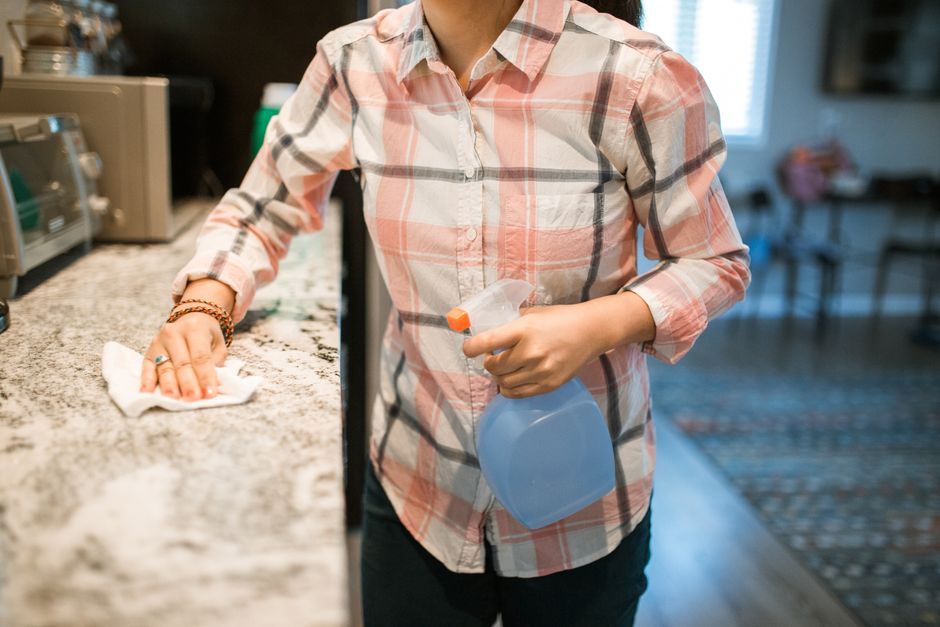
A 3% hydrogen peroxide solution in a spray bottle is one of the simplest and most effective disinfectants you can make at home. Spray it directly onto kitchen countertops, cutting boards, and bathroom sinks, then let it sit for a full five to ten minutes before wiping clean. The dwell time matters because hydrogen peroxide needs contact time to kill bacteria and viruses effectively.

For homeowners preparing for an open house or a private showing, pay special attention to high-touch surfaces that buyers and agents will inevitably contact. Light switches, door knobs, cabinet pulls, and faucet handles all benefit from a quick hydrogen peroxide spray and wipe. These are the surfaces people notice, consciously or not, and a clean, sanitized home communicates care and attention to detail.
One critical safety warning that many online guides overlook: never mix hydrogen peroxide with vinegar. The combination creates peracetic acid, which is a lung and eye irritant. Mixing hydrogen peroxide with bleach is even more dangerous, producing toxic gas. Use hydrogen peroxide on its own, and if you have just cleaned a surface with vinegar, rinse it thoroughly and let it dry before applying hydrogen peroxide. For bathroom mold on grout or tile, spray full-strength 3% hydrogen peroxide directly onto the affected area, let it sit for 30 minutes, then scrub with a stiff brush and rinse.
2. Whiten Grout Without Harsh Bleach Fumes
Grout lines have a way of turning from bright white to dingy gray over time, and commercial grout cleaners often rely on harsh bleach fumes that linger long after the cleaning is done. A simple paste made from baking soda and 3% hydrogen peroxide offers a low-cost, non-toxic alternative that works remarkably well.
Mix enough hydrogen peroxide into baking soda to form a spreadable paste. Apply it along the grout lines, pressing it in with your fingers or an old toothbrush. Let the paste sit for about 15 minutes, then scrub the grout lines with the toothbrush and rinse with warm water. This method works on both floor and wall tile grout, and it is an excellent pre-listing task if you are getting your home ready for the spring real estate market. Clean grout makes tile look newer and bathrooms feel fresher without any chemical odor that might raise questions from buyers.
3. Remove Stubborn Laundry Stains (Blood, Wine, and Sweat)
Hydrogen peroxide is remarkably effective on organic stains that tend to set into fabric fibers. For fresh blood stains or red wine spills, pour a small amount of 3% hydrogen peroxide directly onto the stain. You will see it immediately begin to fizz and bubble as the oxygen reacts with the organic material. Let it work for about five minutes, then rinse the area with cold water before tossing the item into the washing machine. Hot water can set protein-based stains, so always start with cold.
Yellow underarm sweat stains on white shirts are another common frustration. Mix equal parts 3% hydrogen peroxide and water, then soak the stained areas for 30 minutes before laundering as usual. This solution helps break down the proteins and oils in sweat that cause the yellow discoloration.
A word of caution: hydrogen peroxide can act as a mild bleach, particularly on dark or brightly colored fabrics. Always test it on an inconspicuous area first, such as an inside seam or hem. If the color holds, proceed with confidence. If you see any lightening, save the hydrogen peroxide for your whites only.
4. Brighten Dingy White Laundry and Towels
White towels, sheets, and t-shirts have a tendency to turn dull and gray after repeated washing. Instead of reaching for chlorine bleach, add one cup of 3% hydrogen peroxide to the bleach dispenser in your washing machine for a load of whites. The hydrogen peroxide whitens and disinfects the fabric without the harsh chemical smell that bleach leaves behind.
This approach has a few advantages beyond the obvious. Hydrogen peroxide is safe for septic systems, unlike chlorine bleach, which can disrupt the bacterial balance that keeps a septic tank functioning properly. It is also gentler on fabric fibers over time, meaning your white linens may last longer than they would with repeated bleach exposure. For homeowners on well water or septic, this is a particularly useful swap.
5. Clean and Sanitize Your Humidifier and Diffuser
Humidifiers and essential oil diffusers can become breeding grounds for mold and bacteria if not cleaned regularly, and the problem is that you then aerosolize those contaminants into the air your family breathes. A monthly deep clean with hydrogen peroxide solves this issue without introducing harsh chemicals into the appliance.
Fill the tank with a 1:1 solution of 3% hydrogen peroxide and water, then let it sit for 30 minutes. The solution will kill mold spores and bacteria throughout the reservoir. After the soak, rinse the tank thoroughly with clean water at least twice to ensure no hydrogen peroxide residue remains. This simple maintenance step contributes to healthier indoor air quality, which is a selling point worth mentioning if your home has a whole-house humidifier or you use portable units regularly.
6. Revive Yellowed Plastic and Appliance Surfaces
Older plastic appliance parts, vent covers, and even some light switch plates can develop an unappealing yellow tint over time. This yellowing is often caused by a chemical reaction in the plastic itself, and hydrogen peroxide combined with sunlight can help reverse it.
Spray 3% hydrogen peroxide generously onto the yellowed plastic surface, then place the item in direct sunlight for one to two hours. The UV light accelerates the oxidation process that hydrogen peroxide initiates, gradually breaking down the compounds responsible for the yellow color. After the time is up, wipe the surface clean with a damp cloth. This technique works well on items like coffee maker bases, stand mixer parts, and air conditioner vent covers. For homeowners staging an older kitchen, restoring small appliances and visible plastic components to their original color can make the space feel better maintained without spending money on replacements.

7. Keep Your Toothbrush and Mouthguard Clean
Your toothbrush sits in the bathroom, often near the toilet, and picks up airborne bacteria between uses. Once a week, soak your toothbrush head in 3% hydrogen peroxide for about five minutes to kill bacteria, then rinse it thoroughly with water. This is a quick habit that costs almost nothing and adds a layer of hygiene to your daily routine.
For mouthguards, retainers, and other dental appliances, a 50/50 solution of hydrogen peroxide and water works well. Soak the appliance for 15 to 20 minutes, then rinse it thoroughly with clean water before placing it back in your mouth. The hydrogen peroxide helps remove the biofilm that builds up on these items and eliminates the bacteria that cause odors. Just be sure to rinse completely, as you do not want to leave any hydrogen peroxide residue in contact with your gums or oral tissues.
8. Clean and Deodorize Garbage Cans
Outdoor garbage cans and indoor kitchen bins both accumulate residue and odor-causing bacteria over time. After emptying the can, spray the inside surfaces with undiluted 3% hydrogen peroxide. You will see it foam on contact with the organic residue coating the plastic. Let it sit for about ten minutes to kill the bacteria responsible for the smell, then rinse the can with a garden hose or in the shower.
This method is more effective than rinsing with water alone, and it is safer than using bleach, especially for outdoor cans where bleach runoff could harm grass or plants. For kitchen bins, a quick hydrogen peroxide spray between liner changes keeps odors at bay without leaving behind any chemical fragrance that might clash with cooking smells.
9. Extend the Life of Your Cut Flowers
Fresh flowers brighten a room, but the water in the vase quickly becomes cloudy with bacteria that shorten the life of the blooms. Adding one teaspoon of 3% hydrogen peroxide to the vase water introduces extra oxygen that helps keep the water clear and bacteria-free.
This is a low-cost trick that makes a noticeable difference in how long cut flowers last. For homeowners who are staging their property and want fresh flowers to look vibrant through multiple showings, this small step can keep arrangements looking fresh for several extra days. Change the water and add fresh hydrogen peroxide every two to three days for best results.
10. Clean Mirrors and Windows (Streak-Free)
Commercial glass cleaners often contain ammonia, which has a strong smell and can irritate the eyes and throat. A simple mixture of one part 3% hydrogen peroxide to two parts water in a spray bottle provides an effective, non-toxic alternative.
Spray the solution onto glass surfaces and wipe with a microfiber cloth for a streak-free shine. The hydrogen peroxide cuts through the light film of dust, fingerprints, and hairspray residue that builds up on mirrors and windows. This is especially useful in bathrooms where mirrors are exposed to humidity and product overspray daily. For homeowners preparing for a showing, streak-free mirrors and windows let in more natural light and make rooms feel larger and cleaner.
11. Sanitize Kids’ Toys and Play Surfaces
Plastic toys, play mats, and high chair trays need regular cleaning, but parents are often wary of using bleach or strong chemical cleaners on items that children put in their mouths. A 50/50 mix of 3% hydrogen peroxide and water in a spray bottle offers a safe middle ground.
Spray the toys and surfaces, let the solution sit for five minutes, then rinse with water or wipe clean with a damp cloth. The hydrogen peroxide kills bacteria and viruses on the surface, then breaks down into water and oxygen, leaving no harmful residue behind. This is particularly useful during cold and flu season, or when you are cleaning up after a playdate and want to reset the space quickly. For families with young children who are selling their home, having a quick, safe cleaning method for toys helps keep the house show-ready without constant stress.
12. Remove Carpet Stains (Pet Urine and Food)
Carpet stains from pet accidents or spilled food can set quickly and leave behind both discoloration and odor. Start by blotting up as much of the stain as possible with a clean cloth. Then spray 3% hydrogen peroxide directly onto the affected area. Let it bubble and work for five to ten minutes, then blot again with a clean, dry cloth. Repeat the process if the stain persists.
For pet urine specifically, hydrogen peroxide has the added benefit of helping to neutralize the odor at its source by oxidizing the compounds that cause the smell. This is important because pets may return to the same spot if they can still detect their scent.
A critical warning: hydrogen peroxide can lighten some carpet dyes, so always test it on a hidden area first, such as inside a closet or under a piece of furniture. If the carpet color remains stable after a few minutes, you can proceed with confidence. If you see any lightening, consult a professional carpet cleaner instead.
Important Safety and Storage Tips for Homeowners
Always store 3% hydrogen peroxide in its original brown bottle, away from light and heat. The opaque bottle is not just packaging; it protects the solution from light, which accelerates its decomposition into plain water. Keep the cap tightly closed when not in use.
Hydrogen peroxide does expire. An unopened bottle typically lasts about three years from the manufacture date. Once opened, the solution remains effective for roughly one to six months. The easiest way to check if your bottle is still good is to pour a small amount into the sink. If it fizzes on contact with the basin, it is still active. If nothing happens, it has degraded into water and should be replaced.
Wear gloves when using hydrogen peroxide for prolonged cleaning sessions. While brief skin contact is generally harmless, extended exposure can cause temporary whitening of the skin or mild irritation. Rinse your hands with water if you spill it on yourself.
Keep hydrogen peroxide out of reach of children and pets. While it is less toxic than many household cleaners, ingesting it in significant quantities can cause stomach upset and irritation. If a child or pet swallows hydrogen peroxide, contact poison control or your veterinarian for guidance.
Frequently Asked Questions About Hydrogen Peroxide
Does hydrogen peroxide expire? Yes. An unopened bottle lasts about three years, while an opened bottle remains effective for one to six months. If it no longer fizzes on contact with organic material, it has degraded into water and should be replaced.
Can I use hydrogen peroxide on my teeth? Most dentists advise against using hydrogen peroxide for at-home teeth whitening. The solution can irritate gums and, with repeated use, may damage tooth enamel. Stick to dentist-approved whitening products and consult your dental professional before trying any DIY methods.
What is the difference between hydrogen peroxide and rubbing alcohol? Hydrogen peroxide is better suited for disinfecting surfaces and removing organic stains like blood or food. Rubbing alcohol is more appropriate for disinfecting skin before an injection or cleaning electronics, as it evaporates faster and leaves no moisture behind.
Can I mix hydrogen peroxide with baking soda? Yes. Mixing the two creates a harmless reaction that produces oxygen bubbles, which help lift dirt and grime from surfaces like grout and sinks. This combination is safe and effective for cleaning pastes.
Conclusion: A Simple, Smart Addition to Your Home Care Routine
Hydrogen peroxide is affordable, versatile, and far less toxic than many commercial cleaners lining store shelves. For just a few dollars, you get a product that can disinfect, deodorize, whiten, and restore surfaces throughout your home. Whether you are deep cleaning before a move, maintaining a healthy environment for your family, or preparing your property to impress potential buyers, small tools like hydrogen peroxide make a meaningful difference. Keep a bottle under your sink, and you will find yourself reaching for it far more often than you expect.
Have questions about cleaning tips or getting your home "show" ready? Connect with us at 805-300-1626.
Check out this article next